

The Hoka Clifton has been a go-to shoe for daily miles for years, and the Clifton 11 is the newest version to hit the road. I’ve spent weeks running in these shoes to see if they still earn their spot as one of the best daily trainers around.
If you’re after a dependable shoe for road running that can handle everything from your weekly long run to just walking about, I’ll break down exactly what works well in the Clifton 11 and where it falls a bit short. I’ll also touch on how it stacks up against other options in the Hoka range, so you can decide if it’s the right daily trainer for you.
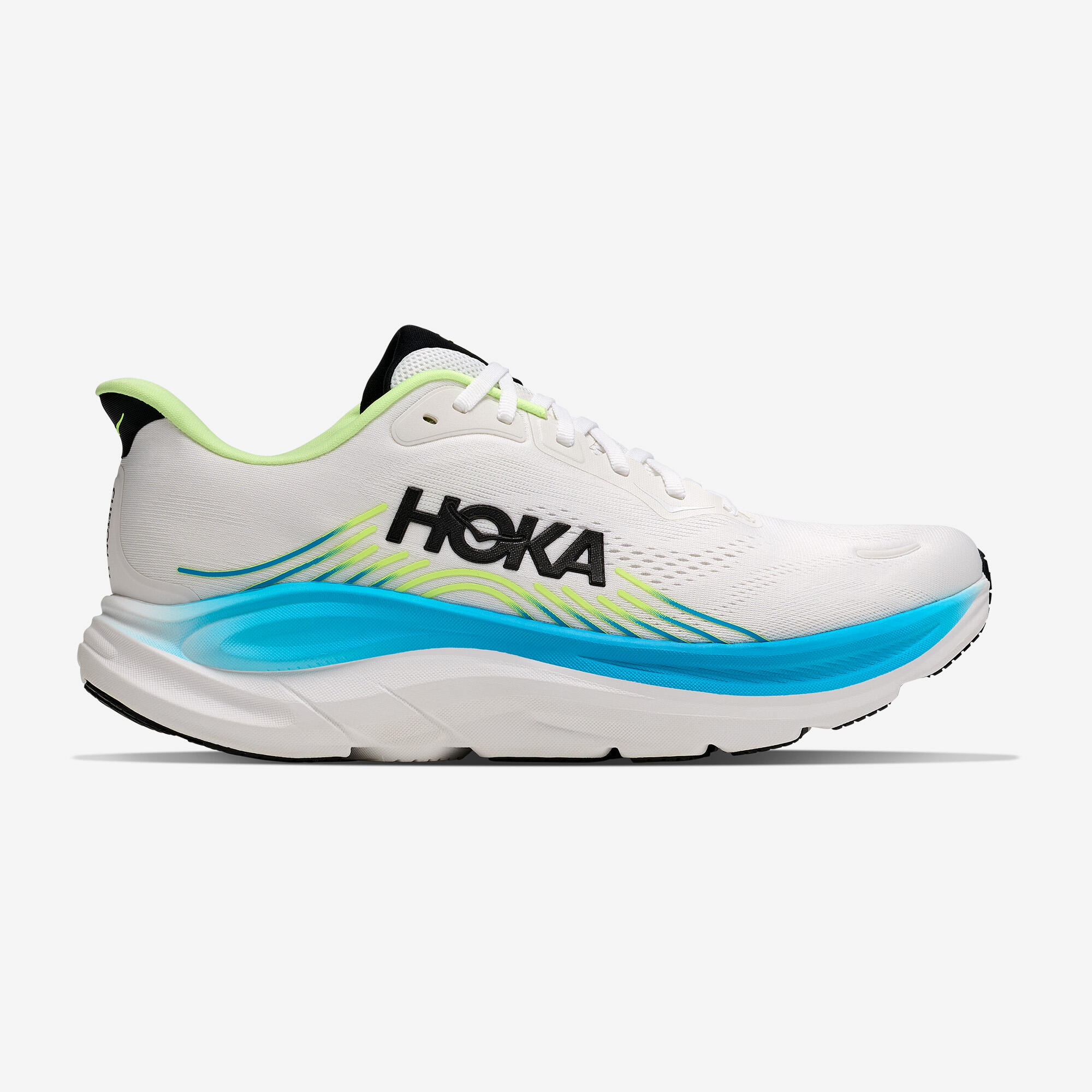
Ride, Cushioning and Running Performance
The Clifton 11 keeps the same soft, high-cushioning ride that made the Clifton line so popular, but a few small tweaks change how it feels underfoot. I found the ride smooth and easy to settle into, though it’s built more for comfort than speed.
Key Specifications and What Has Changed From the Clifton 10
The Clifton 11 keeps the same CMEVA midsole foam as the Hoka Clifton 10, so the core cushioning setup hasn’t changed much. The biggest update is the upper, which is lighter and more flexible than before.
Hoka also tweaked the insole, which changes how the midsole feels even though the foam itself is the same. Here’s a quick look at the main specs:


- Midsole: CMEVA foam
- Stack height: high, similar to the Clifton 10
- Drop: 8mm
- Weight: lighter than the Clifton 10 thanks to the new upper
- Fit: roomier through the midfoot for normal-width feet
I noticed the ride felt a touch softer than the Clifton 10, even though the specs on paper are nearly identical.

CMEVA Midsole Feel, Stack Height and 8mm Drop
The CMEVA midsole gives the Clifton 11 that classic Hoka cushioning feel. It’s soft without feeling mushy, and I found it held up well over longer runs.
The high stack height means there’s a lot of foam between your foot and the road. This gives good protection on hard surfaces, which I noticed most on longer runs when my legs started to tire.
The 8mm drop keeps the ride balanced. It’s not too flat and not too aggressive, so it suits most running styles.
The underfoot cushioning is more about comfort than bounce. It’s plush and forgiving rather than snappy, which fits with what the Clifton has always been about.

MetaRocker Geometry, Stability and Energy Return
The MetaRocker shape is one of the reasons the Clifton 11 feels so smooth to run in. It rolls your foot forward through each stride, which takes some of the effort out of toe-off.
I found this rocker geometry made the ride feel more efficient, even on tired legs. It’s not going to give you a big energy return like a carbon-plated race shoe, but it does help you move forward with less effort.


Stability felt solid too. The wider platform and Active Foot Frame design (Hoka’s term for the way the foam wraps around your foot) kept my foot centred, even at slower paces where you might expect more wobble.
It’s a neutral running shoe, so there’s no added support for overpronation, but the base felt secure enough for most runners.
Best Sessions for Easy Miles, Recovery Runs and Long Runs
This is where the Clifton 11 does its best work. I used it mostly for easy runs and recovery runs, and it handled both really well.
The soft cushioning takes the edge off tired legs, and the smooth rocker ride means you don’t have to think too much about your stride. It’s a shoe you can just relax into.
For long runs, I found the high cushioning held up mile after mile without breaking down or feeling flat. It’s a solid daily training shoe if most of your mileage is at an easy or moderate pace.
If your week is mostly:
- Easy miles
- Recovery jogs
- Long, steady runs
Then the Clifton 11 fits right into that kind of daily training rotation.
Where It Falls Short for Faster Daily Training
Where the Clifton 11 struggles a bit is when you pick up the pace. The soft, high-cushioning ride that feels great on easy days starts to feel a bit sluggish when you try to run faster.


I didn’t feel much energy return at tempo pace, and the shoe felt a bit heavy compared with proper performance trainers. It’s not built for speed work or race day.
If you’re after a shoe that can handle both easy runs and quicker sessions, the Clifton 11 isn’t quite that all-rounder. It’s best kept for the slower end of your daily training, with a separate, lighter shoe for faster efforts.

Fit, Durability and Alternatives
The Clifton 11 fits true to size for me, with a soft engineered mesh upper and a snug but comfy feel through the midfoot. Outsole wear is the main durability concern, so it’s worth weighing up how this shoe stacks up against the Clifton Pro, Bondi, and other cushioned trainers before you buy.
Engineered Mesh Upper, Toe Box and Heel Collar Fit
The new engineered mesh upper is the standout change on the Clifton 11. It feels softer and lighter against my foot than the old version, with a bit more give for those with wider feet.
The toe box has a gentle taper, so it suits runners who like a closer fit up front rather than lots of wiggle room. I found the midfoot snug thanks to a thicker tongue, which kept my foot secure without any slipping.
The heel collar has extra padding on the sides and back, and there’s a notch cut out for the Achilles. It sits comfortably around my heel, though the medial heel bevel takes a few runs to break in properly.
Sizing, Width Options and Orthotic Compatibility
I’d recommend ordering your normal size in the Clifton 11, as it runs true to size in my experience. The fit leans slightly snug and low volume, so if you’ve got a higher instep, you may need to loosen the laces a touch.
Hoka offers wide and extra wide versions for those who need more room, which is handy given the standard fit is fairly narrow. The updated sockliner and insole add a touch more underfoot comfort without changing the overall shape of the shoe.
Good news for anyone using custom orthotics: this shoe has enough room in the midfoot to swap in your own insole without feeling cramped.

Outsole Grip and Expected Durability
Grip has been solid in my testing, both on wet and dry roads. The podded outsole design grips well underfoot, though I wouldn’t push it much beyond paved surfaces or light trail running.
Durability is where I have real concerns. I’ve noticed the exposed midsole foam wearing down faster than I’d like, along with visible wear on the outsole in the areas I strike hardest.
Hoka hasn’t used much durabrasion rubber in the high-wear zones, which explains some of this early breakdown. If you’re heavier on your feet or put in serious weekly mileage, expect this shoe to show its age sooner than some rivals in the cushioned running shoes category.
Who Should Buy It and Who Should Look Elsewhere
This shoe suits runners after a lighter, well cushioned daily trainer for easy miles and long runs. If you like a snug, secure fit with a bit of stretch, and don’t mind a slower transition underfoot, the Clifton 11 delivers.
It’s also a solid choice for walking, thanks to the smooth rocker geometry and roomy stack height. I’d point runners with mild stability needs in the heel and midfoot towards this shoe too, as the sidewalls do a good job keeping things centred.
That said, if you’re hard on shoes or rack up big miles each week, the durability issues might frustrate you. Faster runners chasing a snappier ride should look elsewhere, as this shoe favours comfort over speed.
Clifton 11 Versus the Hoka Clifton Pro, Bondi and Key Rivals
The Hoka Clifton Pro looks similar on paper but feels pretty different when you’re actually running. The midsole is firmer and more responsive. That makes it better for picking up the pace, while the Clifton 11 leans into a softer, cushier vibe.
The Hoka Bondi is Hoka’s big, plush option. It’s got loads of cushioning for folks who want maximum protection on long runs, but yeah, it’s definitely heavier underfoot.
If you’re curious about non-Hoka options, the Brooks Ghost 18 and Mizuno Wave Rider 30 are solid picks with their own take on cushioning. Some brands are going with PEBA foam now for a bouncier feel, and honestly, the Clifton 11’s CMEVA midsole doesn’t quite have the same pop or energy return as those.


