

Finding the right fit changes everything about a run. Wide feet need more than a bigger size number on the box. The shoe’s shape matters just as much as its width label. Some brands build extra room into every model, while others offer wider fittings only on select shoes.
I’ve tested and worn dozens of pairs over the years, from width-specific trainers with 2E and 4E options to naturally foot-shaped designs. Some shoes are wide at the toes but pinch through the midfoot. Others feel roomy everywhere. Getting this right can save you blisters, black toenails and a lot of wasted money.
New Balance 1080 v15
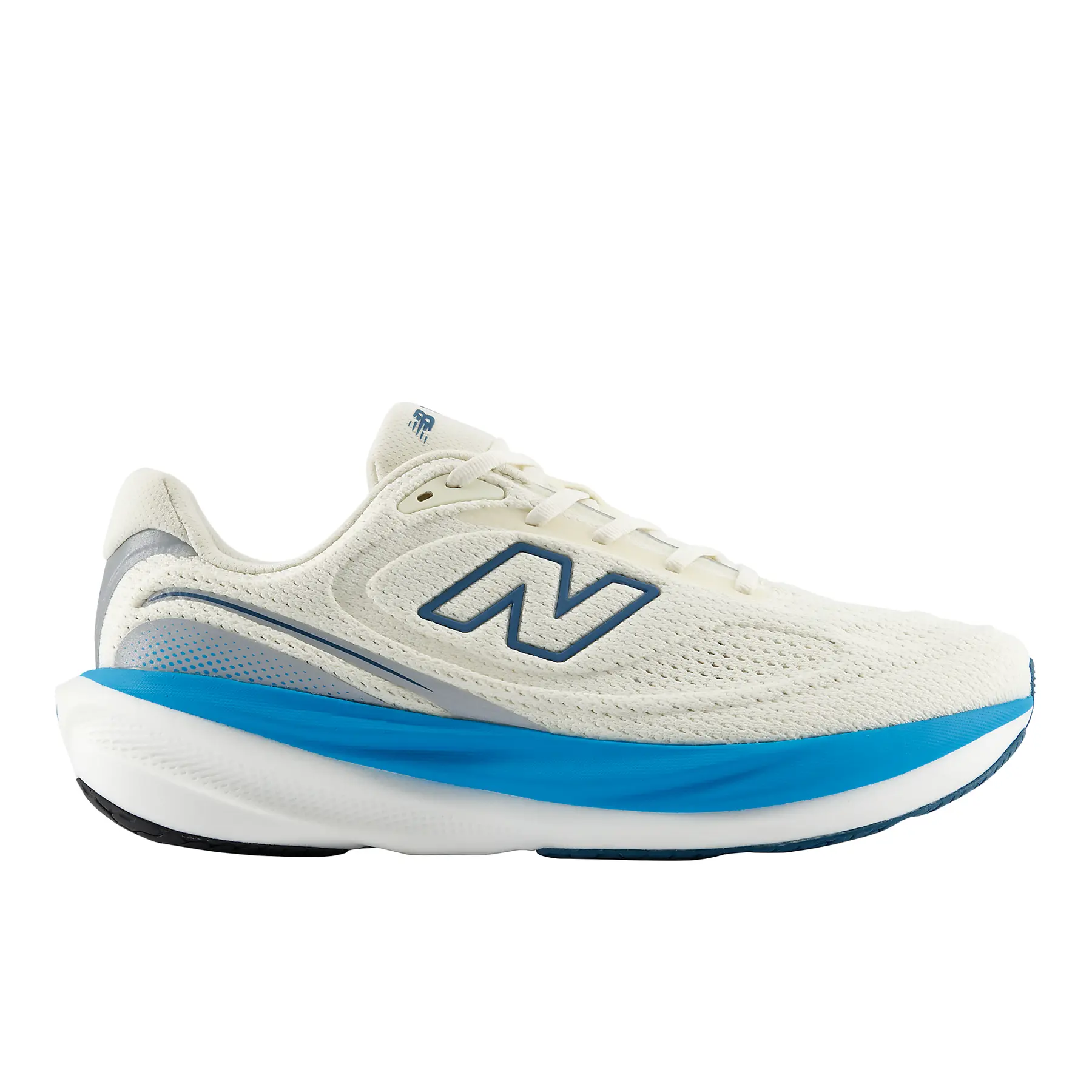
The New Balance Fresh Foam X 1080v15 offers the widest range of official width fittings on this list. New Balance sells it in Standard, Wide (2E) and Extra Wide (4E), which is rare and genuinely useful if you’ve struggled to find the right fit elsewhere.
The plush Fresh Foam midsole feels soft and forgiving, making it ideal for daily mileage and recovery runs. The shoe stays supportive through the midfoot without feeling tight, and the heel remains secure during longer efforts.
If narrow trainers leave your forefoot feeling cramped, the 2E and 4E options provide real breathing room without changing the shoe’s overall structure. It’s a dependable daily trainer for runners who want cushioning and width choices in one package.


Brooks Ghost 18
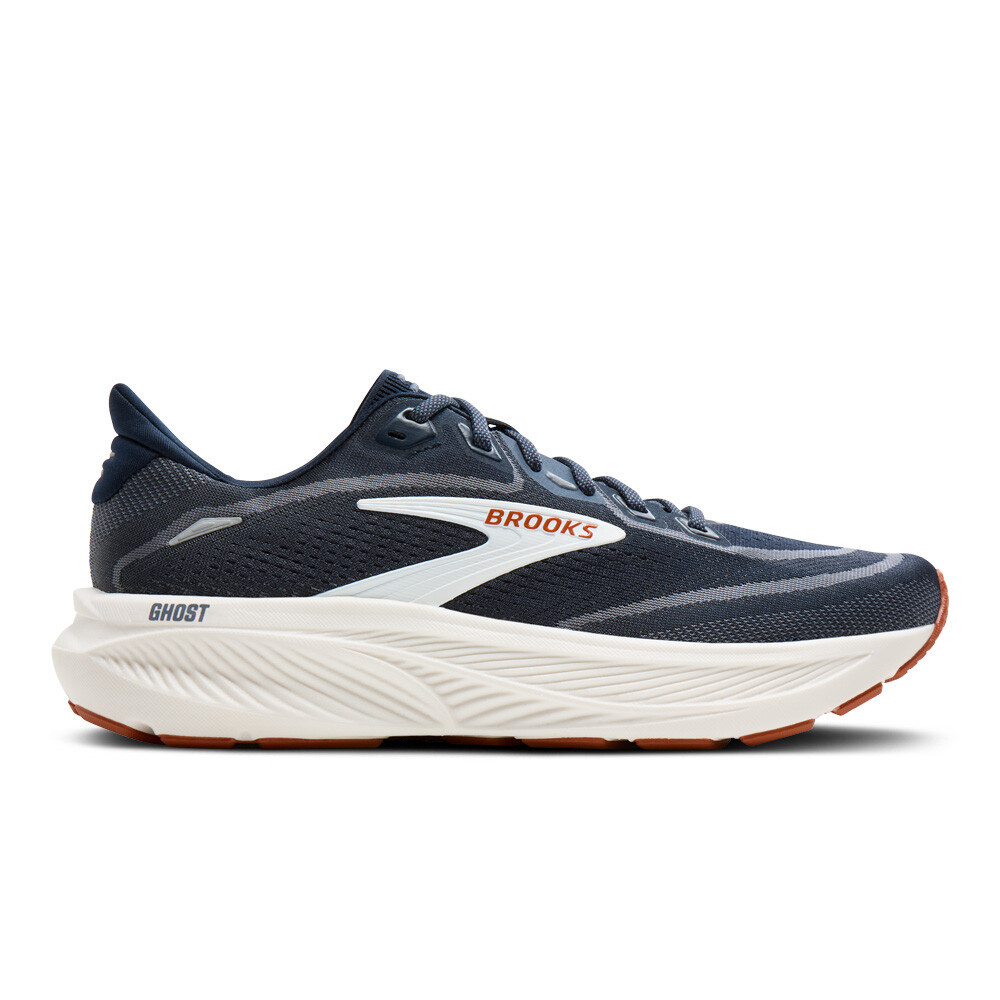
The Brooks Ghost 18 works well for wide feet that need a smooth, balanced ride. Brooks offers it in Standard, Wide (2E) and Extra Wide (4E) for men, with Wide available for women too.
The cushioning sits in the middle ground, soft enough for comfort but responsive enough for tempo days. The midfoot feels secure and doesn’t loosen, even in the wider sizes.
This shoe suits runners who want one reliable pair for most of their weekly mileage, from easy jogs to steady efforts. The wide version gives your toes room to spread without feeling sloppy elsewhere. It’s a strong all-rounder if you haven’t settled on your ideal width yet.
Asics Gel-kayano 33
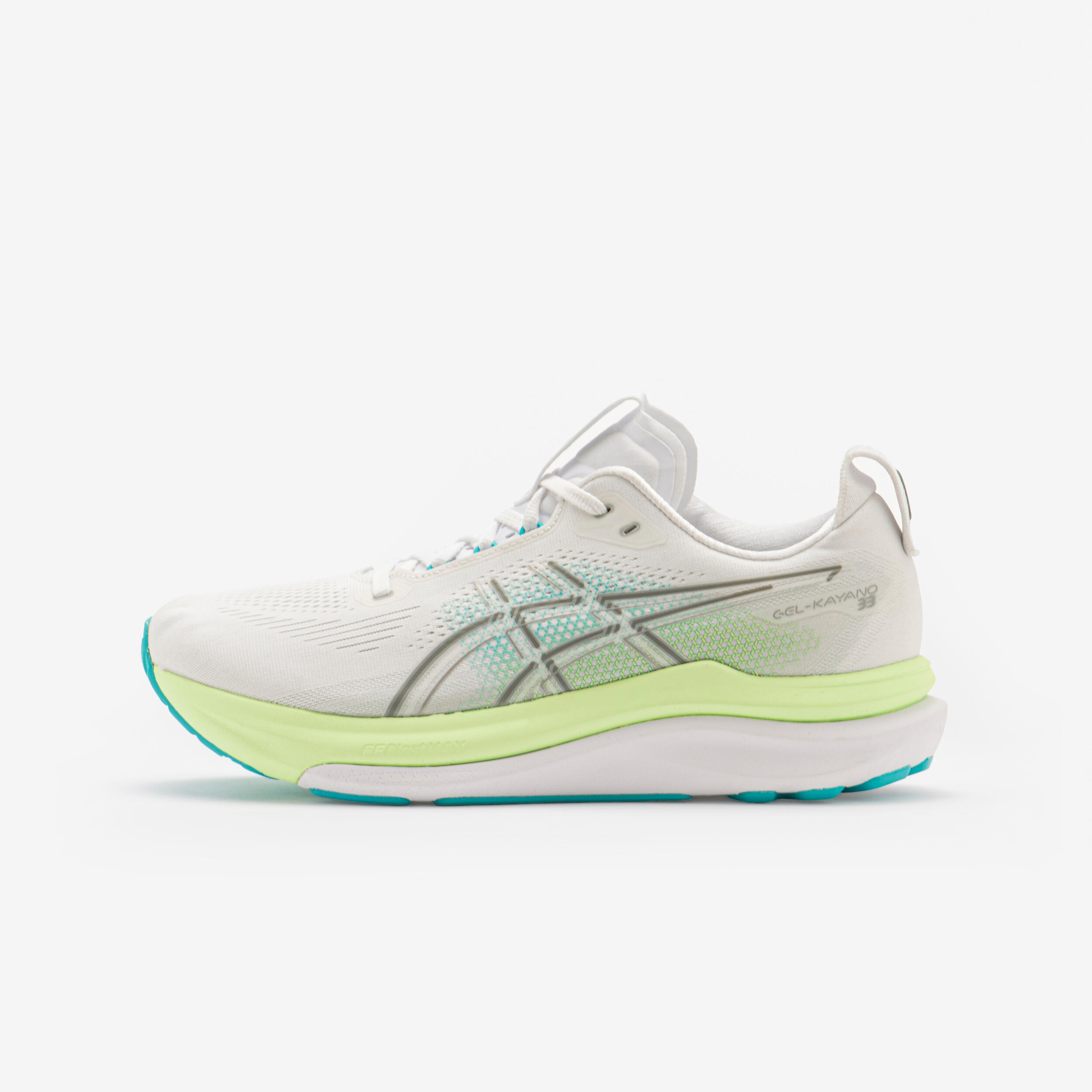
The ASICS Gel-Kayano 33 adds stability for wide-footed runners who overpronate. ASICS builds it with support through the arch and midfoot, which can help if your feet roll inward as you run.
Wide and Extra Wide options give your forefoot room without sacrificing the shoe’s supportive frame. The cushioning feels firmer than some rivals here, creating a planted, stable sensation on longer runs.
This shoe suits runners who need motion control along with extra width, not just a roomier toe box. The heel counter, the structured part that cups your heel, stays firm. That’s useful if your wide foot also has a narrower heel. It’s worth trying if standard stability shoes feel too narrow through the front.
Saucony Hurricane 26
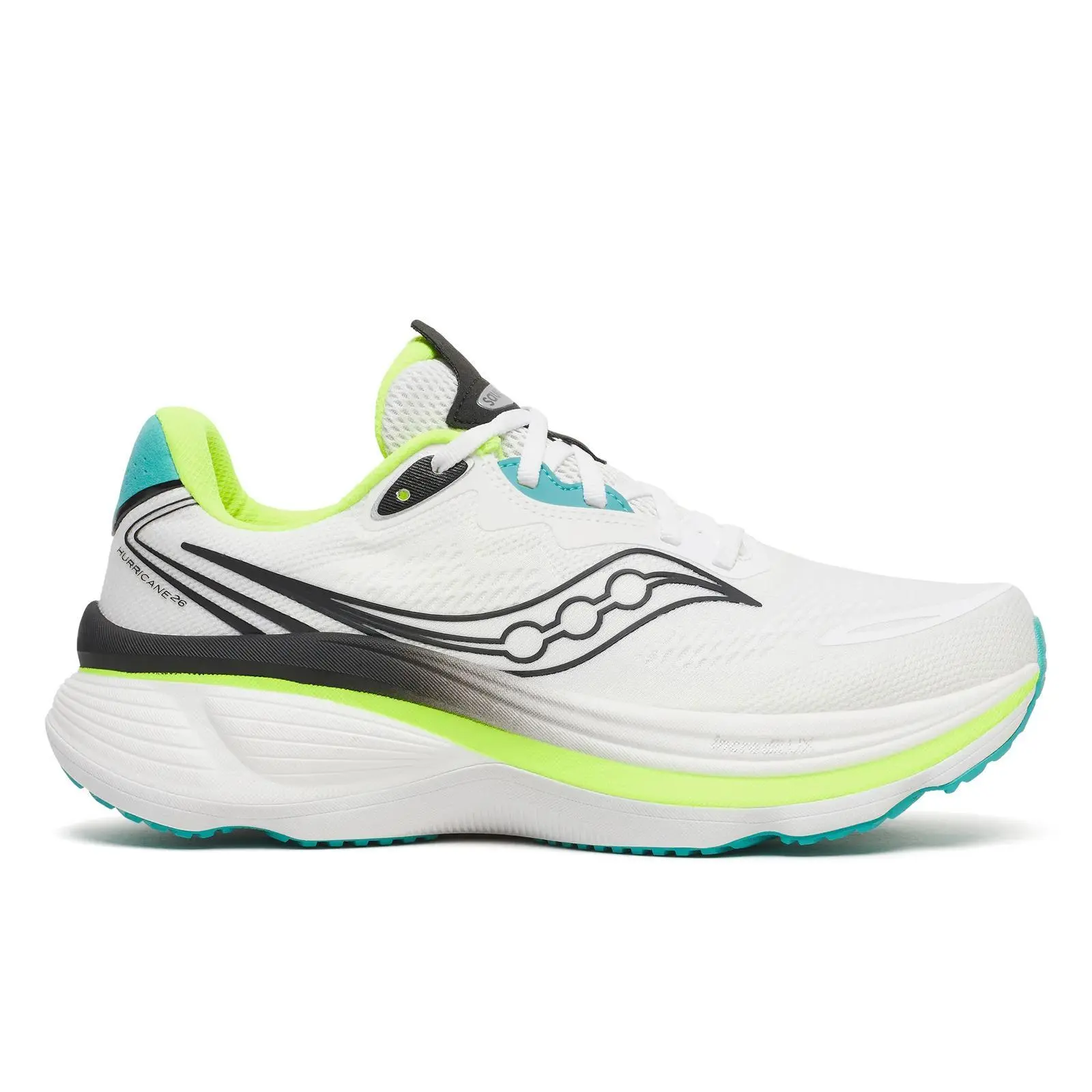
The Saucony Hurricane 26 delivers maximum cushioning for wide feet that need support. Saucony offers it in a Wide fitting, with a plush midsole designed for stability-shoe users who log longer distances.


The ride feels soft and cushioned, closer to a max-cushion trainer than a typical stability shoe. The midfoot stays secure, while the wide forefoot gives your toes room without making the heel feel loose.
This shoe suits heavier runners and those recovering from injury who want soft landings along with width and support. If your feet swell during longer runs, the wide version can accommodate that without forcing you to size up. It’s a strong choice for marathon training blocks where comfort over distance matters.
Brooks Adrenaline GTS 25

The Brooks Adrenaline GTS 25 remains a go-to stability shoe for wide feet needing extra support. Brooks offers Wide and Extra Wide options, giving your forefoot genuine room while keeping the guide rails, support pieces that limit excess foot movement, intact.
Cushioning feels balanced, neither too soft nor too firm, which suits daily training at different paces. The midfoot remains snug in wider sizes, so you get room at the toes without losing lockdown through the arch.
This shoe suits runners who need mild to moderate stability with a wider fit, especially those with flat feet or low arches. It handles easy runs and longer efforts equally well. If you’ve been told you need stability shoes but always found them too tight up front, this one is worth trying.
Saucony Triumph 24
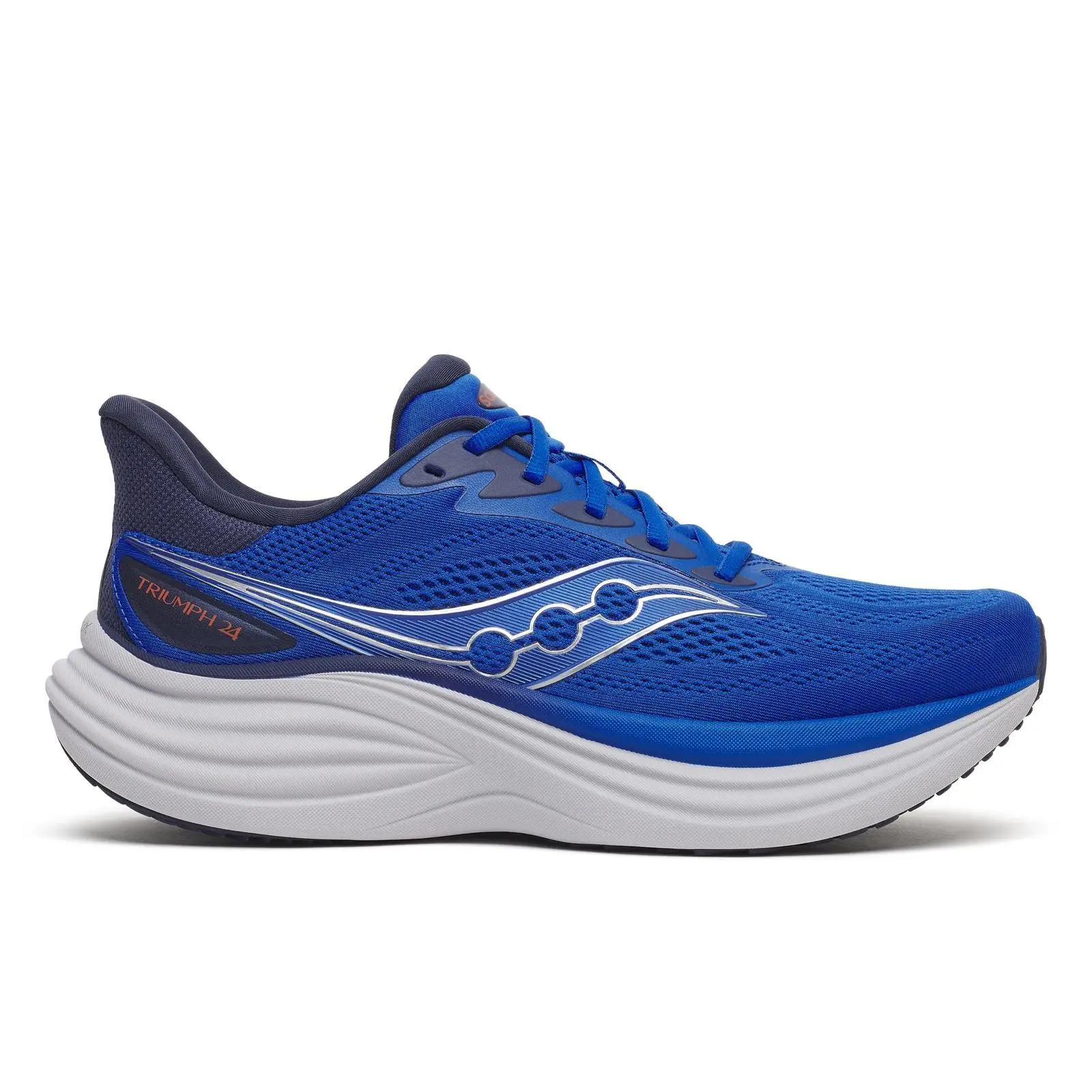
The Saucony Triumph 24 offers a soft, highly cushioned ride, with a wide fitting available for both men and women. It’s a neutral shoe, with no motion control built in, so it suits runners with a normal or supinated gait who simply need more room.
The forefoot in the wide version spreads generously, giving your toes space without making the shoe feel bulky. Through the midfoot, the fit stays snug rather than baggy despite the extra room up front.
This shoe suits runners doing easy to moderate mileage who want plush cushioning on every run. It also works well for recovery days after harder sessions. If your feet swell during longer runs, the wide fitting accommodates that without forcing you into a bigger size.


Hoka Gaviota 6

The Hoka Gaviota 6 gives wide-footed runners extra room through the instep as well as the toes, not only at the front. Hoka builds this stability shoe with a roomier overall fit, which helps if you have a high-volume foot, meaning more depth and width throughout rather than just at the toes.
Wide fitting is available, and the cushioning feels thick and soft, in keeping with Hoka’s maximalist approach. The midfoot stays firm despite the generous volume elsewhere, so lockdown doesn’t suffer.
This shoe suits runners who need support for overpronation but also have swelling or high arches that make standard stability shoes feel restrictive. It handles long runs comfortably with its deep cushioning. If your foot needs room beyond the toe box, this is one to try on.
How to Choose Wide Running Shoes
Choosing the right wide running shoe starts with understanding your own foot shape, not simply reaching for the widest option on the shelf. Some runners need extra room only at the toes, while others need more volume through the midfoot and instep too.
Do You Need a Wide, Extra-Wide or Roomier Toe Box?
Most runners with wide feet fall into one of three groups. A standard wide (2E) fit suits mildly wide feet, usually around the ball of the foot. Extra wide (4E) works better for much broader feet or bunions that need more space across the forefoot.
A roomier, foot-shaped toe box, like the kind you’ll find in Altra or Topo, suits runners whose toes naturally splay while running, even if their feet aren’t technically wide. If your toes overlap or your little toe rubs in standard shoes, start with a 2E fit and size up only if needed.
How Much Space Should You Have at the Toes?
Aim for about a thumb’s width, or roughly one centimetre, between your longest toe and the end of the shoe. This applies to both standard and wide fittings.
Check the width as well as the length. While standing, press your foot into the shoe and look for a little give at the sides of your forefoot. There shouldn’t be tightness or bulging over the edges of the sole.
Should Wide-Footed Runners Size Up?
Sizing up rarely fixes a width problem by itself. A longer shoe gives your toes more room from front to back, but the sides of your forefoot stay just as tight. That can create new problems, including heel slip or blisters caused by your foot sliding forward.
Try the correct width in your usual size first. If a brand’s wide fitting still feels tight, going up half a size in that same wide fitting usually works better than switching to a larger standard shoe.
What to Look For in a Wide-Fit Running Shoe
The best wide running shoe fits comfortably through the toes, midfoot and heel, not just at the front. A shoe that’s wide only in the toe box but narrow elsewhere can create new pressure points instead of solving the original problem.
Why Does the Shape of the Last Matter?
The last is the mould used to build a shoe, and its shape determines how the width is spread. Some brands take a standard last and widen it slightly for the “wide” version, while keeping the same overall shape.
Others, like Altra and Topo, start with a foot-shaped last, so the shoe follows the natural spread of your toes. Checking which approach a brand uses can help you work out whether “wide” means wide throughout, or only at the front.
Which Widths Do Running Brands Offer?
Width sizing varies by brand, but most use a similar labelling system. Standard means the regular fit, D or 2E indicates a wider fit, and 4E or 6E indicates extra wide. These options are mainly available from brands such as New Balance and Brooks.
Not every brand offers every width in every shoe. Check the exact model you’re considering, since some ranges only offer wide fittings in men’s sizes, while women’s wide options are still more limited across the market.
How Should a Wide Running Shoe Fit Through the Midfoot and Heel?
A good wide running shoe should feel snug around the midfoot and heel, even when the toe box feels roomy. Your heel shouldn’t lift or slide as you walk or run. The arch area should keep your foot steady without pinching.
If the entire shoe feels loose, not just roomy at the toes, it’s probably the wrong width or model for your foot shape. A shoe that’s wide throughout but doesn’t hold your heel securely can feel unstable on longer runs. Check the heel and midfoot fit along with the toe box, rather than judging the shoe by width alone.


