

Morning heel pain can colour the rest of your run before you’ve even laced up. If you’ve been shuffling around for the first ten minutes of every session, waiting for that sharp arch pain to settle, you already know that not just any trainer will do. The right pair won’t cure plantar fasciitis on its own, but it can ease pressure on the sore spot, control excess movement and help you build mileage without setting yourself back.
I’ve tested a wide range of cushioned and stability shoes with sore-heeled runners in mind. I looked at heel hold, midsole support, rocker shape and how each shoe handles real UK weather and roads. Some runners need firm guidance through their stride. Others do better with soft, highly cushioned shoes and a neutral ride. You’ll find both approaches here.
Brooks Adrenaline GTS 25

The Brooks Adrenaline GTS 25 is a dependable stability shoe for runners who need guidance through each stride. It uses Brooks’ GuideRails support system to gently control excess side-to-side movement at the knee and heel, rather than forcing the foot into one fixed position.
Underfoot, the DNA LOFT v3 midsole gives a soft, steady landing without feeling mushy. The heel sits securely, which helps if your foot rolls or wobbles when pain flares up.
With a 12mm heel drop, it suits runners who prefer a traditional, cushioned feel over a low-profile ride. It works well for daily training, run-walk sessions and returning to running after a lay-off.


Recreational runners with mild overpronation or general instability tend to get on well with this shoe.
Hoka Bondi 9

The Hoka Bondi 9 delivers some of the deepest cushioning available in a road running shoe. Its thick midsole absorbs impact well, making it useful for runners whose heel pain flares up on hard surfaces or longer runs.
A gentle rocker shape helps the foot roll forward smoothly, reducing how much the sore area has to flex during push-off. That can ease strain if you feel a sharp pull under the heel with every step.
The fit runs true to size, with a roomy toe box that gives the front of the foot space to spread naturally. At a 4mm drop, it keeps a fairly level platform despite its tall stack height.
This shoe suits neutral runners looking for maximum protection rather than side-to-side guidance.
Brooks Glycerin Max 2

The Brooks Glycerin Max 2 is made for runners who want soft landings without stability guidance. Its nitrogen-infused DNA Tuned midsole gives a plush, cushioned ride that stays comfortable over longer distances.
The heel counter keeps the back of the foot steady, even though the ride feels soft. That matters if you’re nervous about ankle roll on tired legs. There’s also a wide platform underfoot, adding stability without turning the shoe into a true stability model.


At an 8mm heel drop, the transition feels smooth rather than abrupt. It suits runners recovering from heel pain who want gentle cushioning without a firm, structured feel.
Recreational runners doing easy to moderate mileage will likely get the most from this model.
Asics Gel-kayano 33
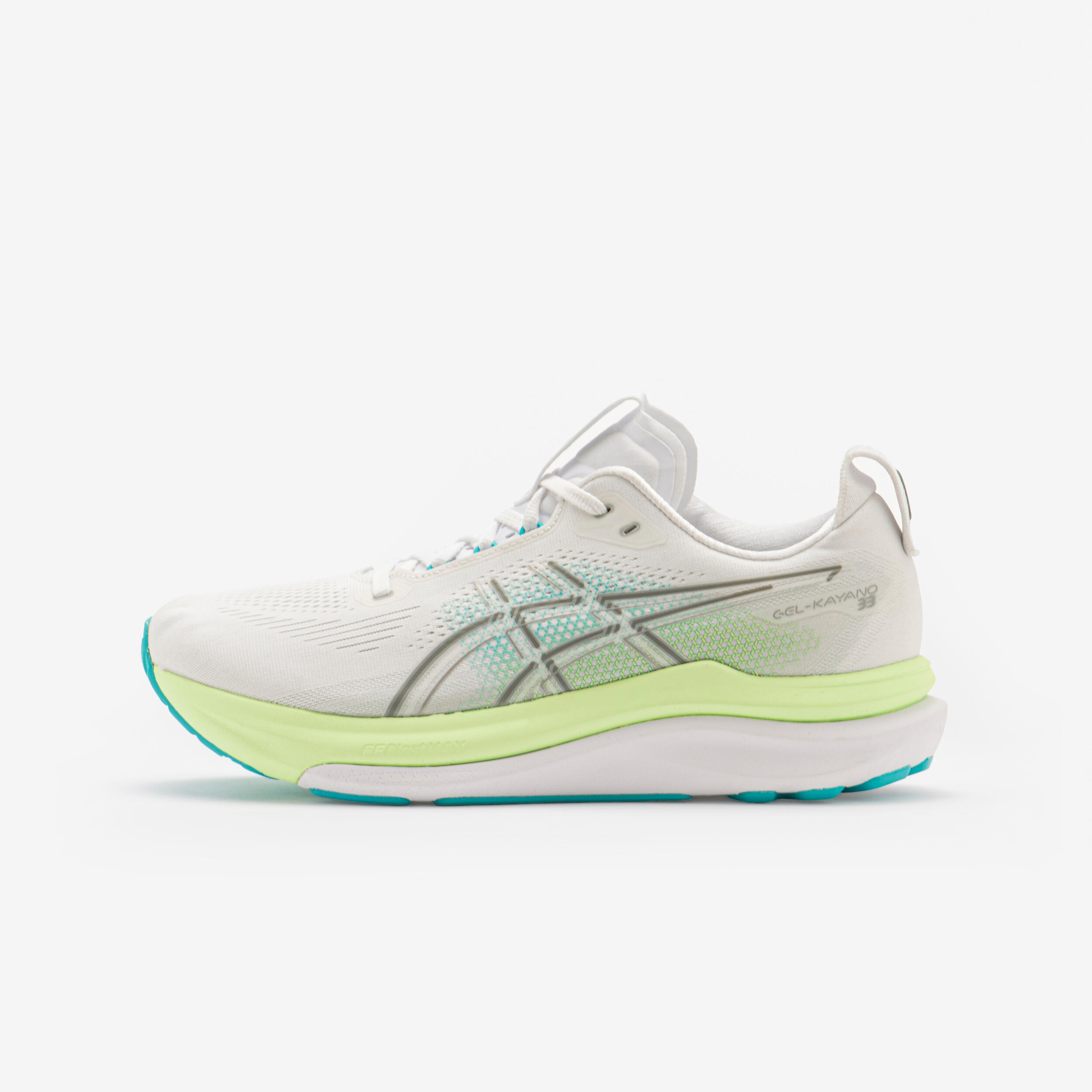
The ASICS Gel-Kayano 33 provides structured support for runners whose feet roll inward more than average. Its 4D Guidance System adjusts the support underfoot through the gait cycle instead of relying on one rigid post.
The heel area feels locked in, with a firm counter that keeps the foot centred during landing. This steady feel may help reduce the repeated strain that aggravates plantar fasciitis symptoms.
PureGEL cushioning at the heel softens impact without collapsing under weight. The 8mm drop also provides a smooth, familiar transition for regular Kayano wearers.
This shoe suits runners with a history of overpronation or those advised by a physiotherapist to use stability trainers.
New Balance 1080 v15
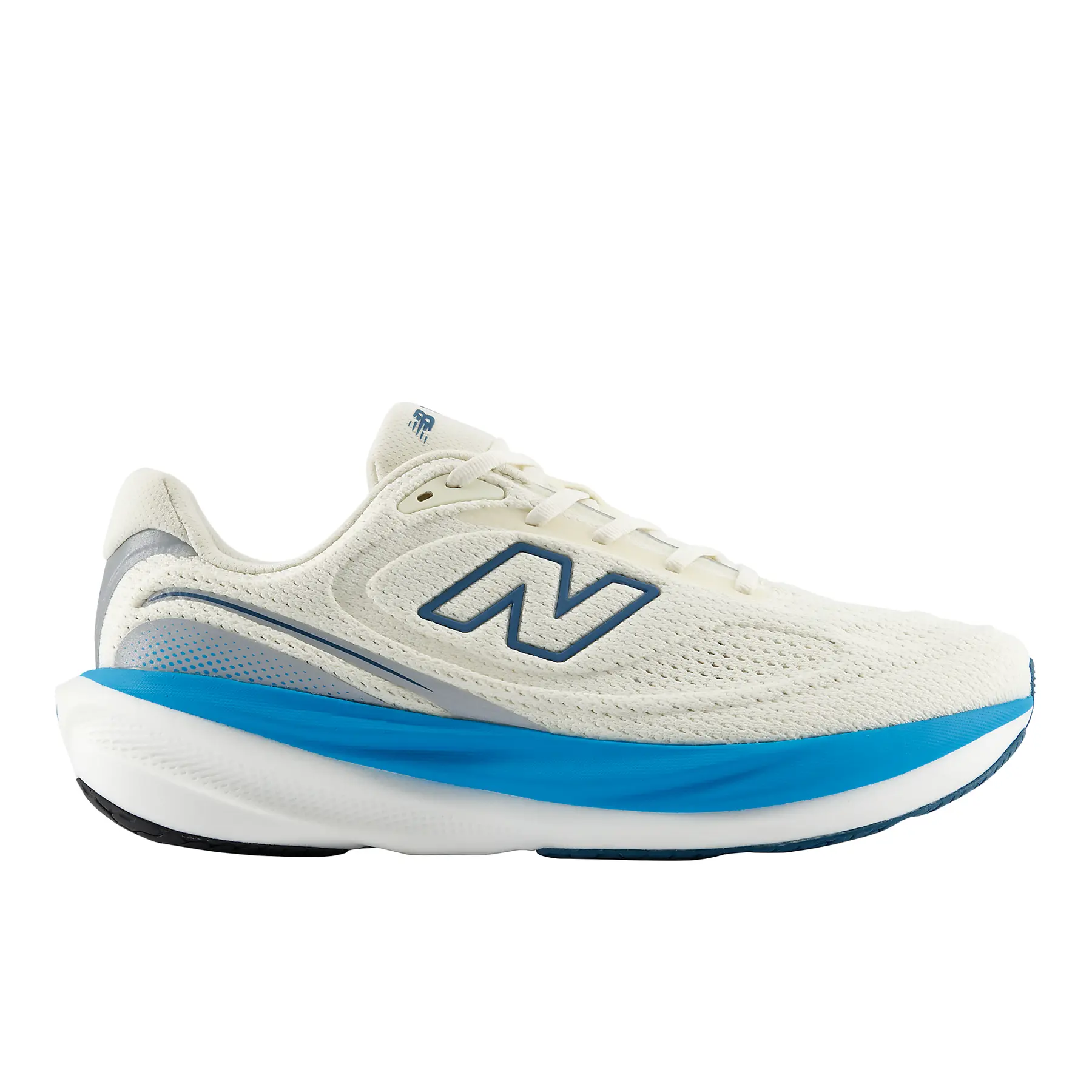
The New Balance Fresh Foam X 1080v15 offers soft, forgiving cushioning for comfortable daily training. Its Fresh Foam X midsole spreads impact across the foot instead of concentrating pressure under the heel.
The upper uses a stretchy knit design that adapts to different foot shapes. That helps runners dealing with swelling or tenderness around the heel and arch. A 6mm drop keeps the ride balanced without making it feel flat.


This shoe works well for runners who want a soft, neutral ride rather than firm stability control. It fits true to size, although runners with narrower feet might prefer to try a half size down.
Recreational runners rebuilding mileage after heel pain often find this a comfortable, low-fuss option.
Asics Gel-nimbus 28
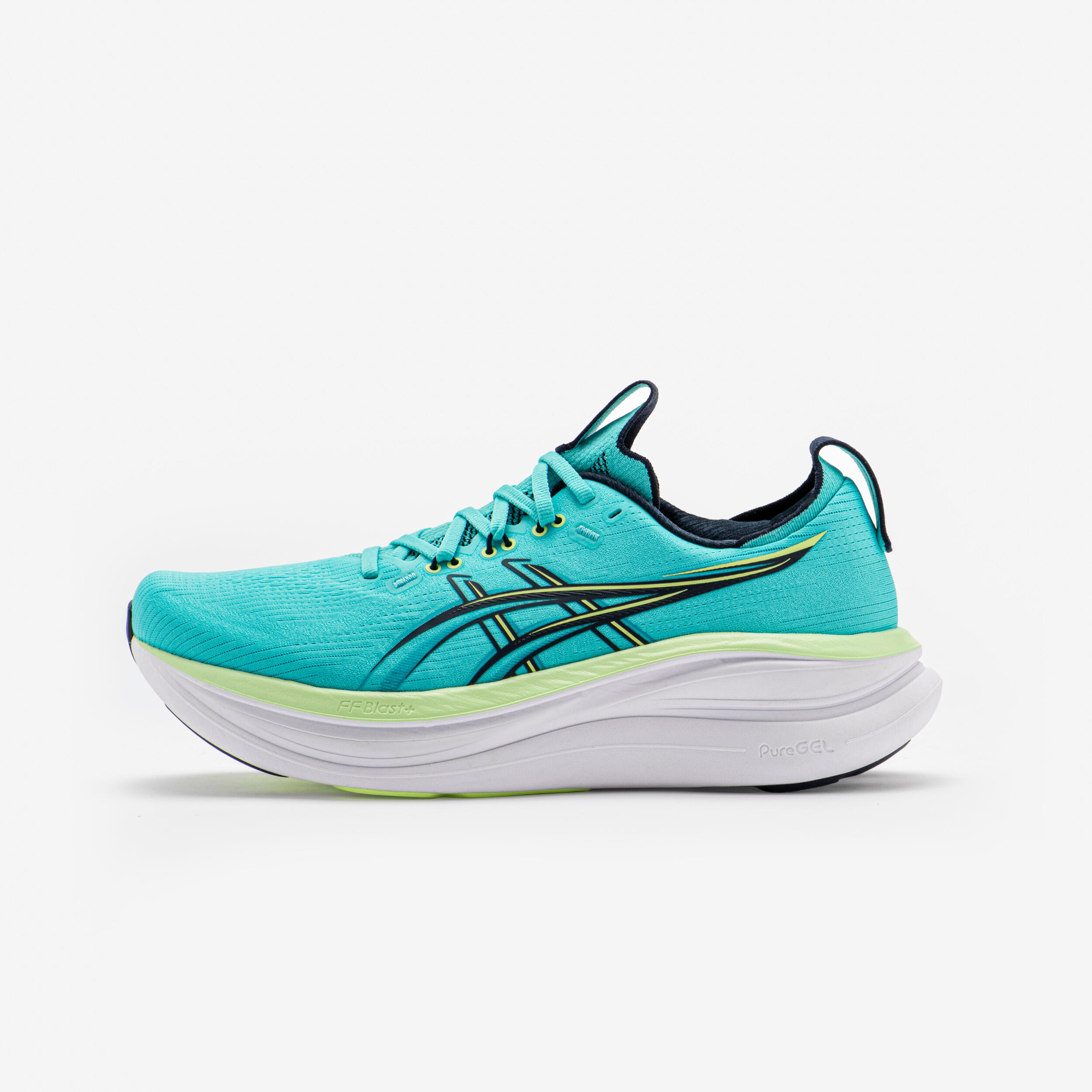
The ASICS Gel-Nimbus 28 focuses on soft, neutral cushioning rather than motion control. Its FF Blast Plus Eco midsole gives a bouncy but protective ride for runners without significant pronation issues.
The heel clutch design keeps the rear foot steady during landing, giving a secure feel even though the shoe has no stability structure. This makes it a reasonable option for runners whose pain comes from impact sensitivity rather than gait instability.
At an 8mm drop, the transition feels smooth and predictable across different paces. The upper breathes well too, something UK runners will appreciate during warmer months.
This shoe suits neutral runners who want plush comfort for daily mileage.
Hoka Arahi 9

The Hoka Arahi 9 combines Hoka’s tall cushioning with a lighter stability structure. Its J-Frame technology sits inside the midsole instead of using a separate stability post, gently guiding the foot without a rigid feel.
That makes it a useful middle ground for runners who need mild guidance but find traditional stability shoes too firm or heavy. The early-stage Meta-Rocker shape helps the foot roll forward smoothly, easing strain during push-off.
With a 5mm drop, the ride sits lower to the ground than most Hoka models, creating a more natural stride pattern. The heel hold feels secure without feeling boxed in.
Runners with mild instability, or those moving away from a firmer stability shoe, may find this a comfortable step.
Saucony Guide 19
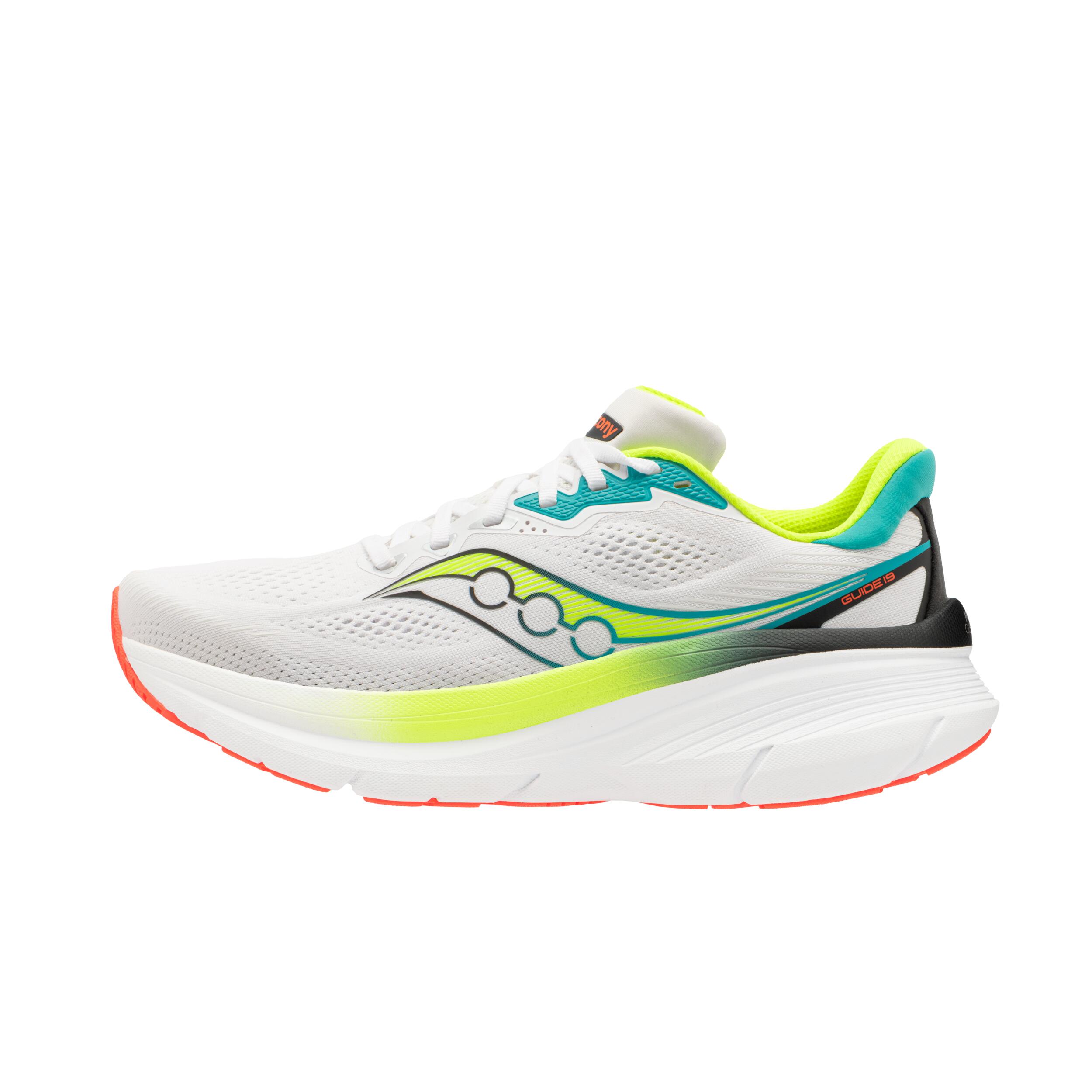
The Saucony Guide 19 offers dependable stability at a lower price than several rivals on this list. Its PWRRUN midsole feels firm but cushioned, providing steady support through the gait cycle.
The shoe uses a broader base and structured heel to reduce excess rolling, making it suitable for runners managing mild to moderate overpronation. It isn’t as soft as a max-cushioned neutral shoe, but that trade-off brings more control during longer runs.
At an 8mm drop, the ride feels balanced and predictable, which is useful when you’re easing back into regular training after a heel pain flare-up.
This shoe fits true to size, with a secure, snug heel area. UK pricing sits around £130, making it one of the more affordable stability options here.
Mizuno Wave Inspire 22
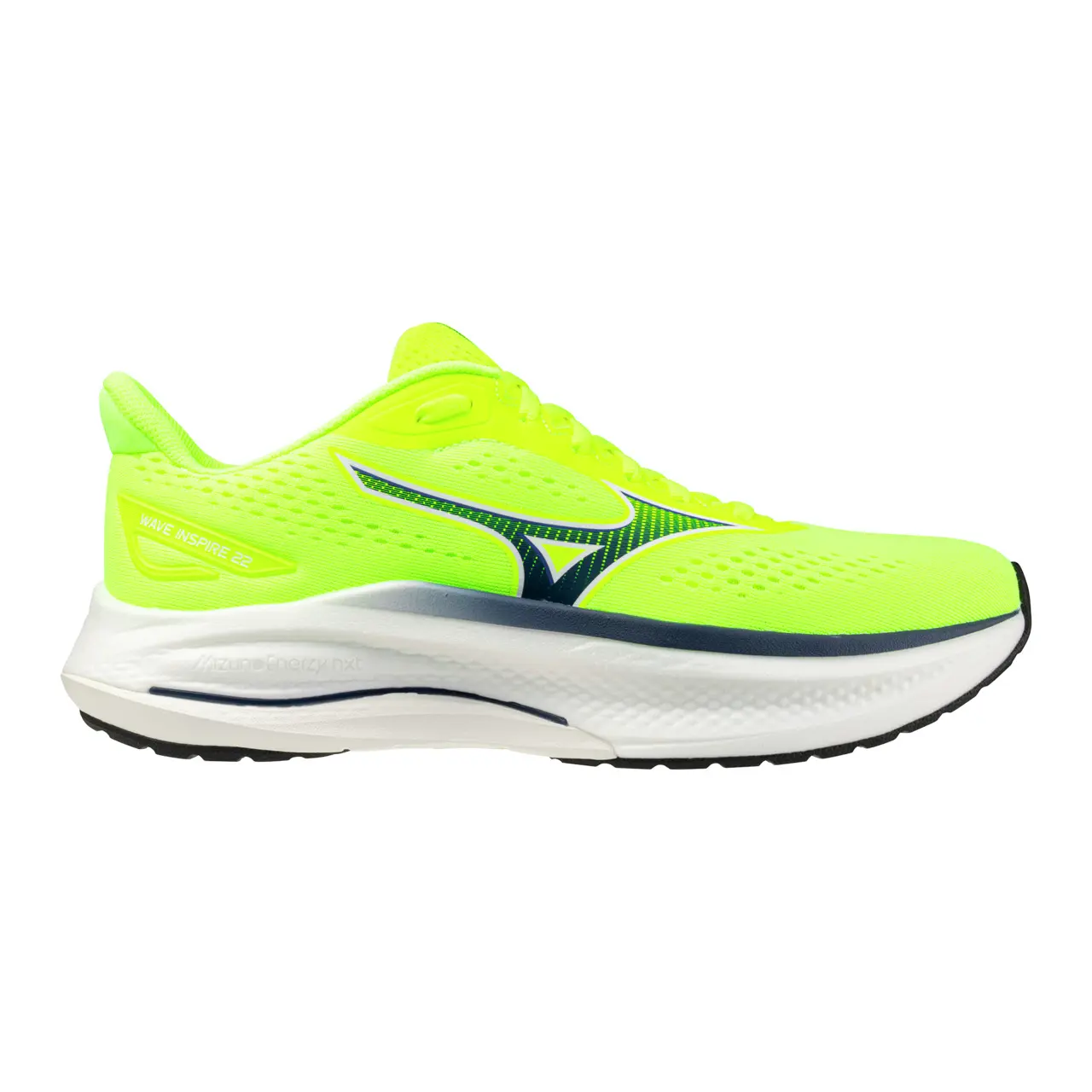
The Mizuno Wave Inspire 22 provides stability through its signature Wave Plate rather than a traditional foam post. This creates a firmer, more responsive feel than foam-based stability shoes, which some runners prefer for a stronger connection with the road.
The heel area holds the foot securely, reducing excess movement during landing. That can help runners whose plantar fasciitis flares up after long periods of instability during their stride.
At a 12mm drop, the ride suits runners used to a traditional, higher-drop shoe rather than a modern low-drop setup.
Runners who want structured support with a slightly firmer ride than Brooks or ASICS stability shoes may prefer this option. UK pricing sits around £140, similar to other mid-range stability trainers.
Brooks Ghost Max 4
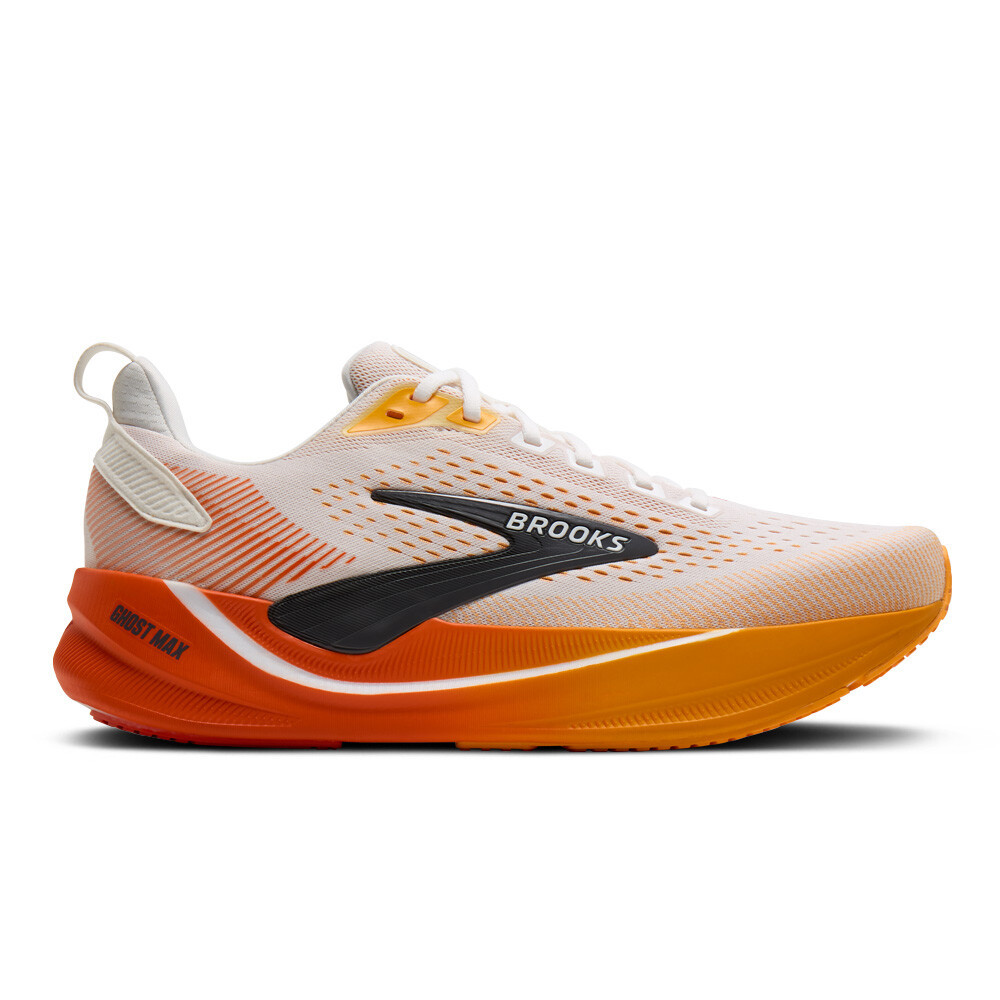
The Brooks Ghost Max 4 combines soft cushioning with a wide, stable platform without being labelled a dedicated stability shoe. Its broader base under the midfoot and heel adds a natural sense of balance for runners who feel unsteady during longer runs.
The DNA LOFT v3 midsole gives a plush landing similar to the Adrenaline GTS 25, but without the GuideRails structure. It suits runners with a fairly neutral gait who still want extra reassurance underfoot.
At a 12mm drop, it offers a familiar, cushioned ride for runners moving on from older Brooks models.
This shoe works well for daily training miles and easy long runs. UK pricing sits around £145, positioning it as a solid mid-range neutral option.
How to Choose Running Shoes for Plantar Fasciitis
The right shoe depends on your gait, your pain pattern and how much support your foot needs each day. A few key factors make the biggest difference for runners managing heel pain.
Should You Choose a Neutral or Stability Running Shoe?
Your gait pattern should guide this choice, not pain alone. Runners whose feet roll inward a lot may benefit from a stability shoe, as guided support can reduce the repeated strain linked to plantar fasciitis flare-ups.
Runners with a fairly neutral stride usually do better in soft, well-cushioned neutral shoes. Adding stability features to a neutral foot can feel awkward and may not ease the pain.
A gait analysis at a specialist running shop gives you a clearer picture than guesswork.
How Much Cushioning and Heel Drop Do You Need?
Most runners with heel pain benefit from moderate to high cushioning because it reduces the shock travelling through the heel with each stride. That doesn’t mean the softest shoe will work best. Some runners find that deep foam feels unstable underfoot.
Heel drop is more personal. Runners used to traditional shoes often prefer an 8mm to 12mm drop, while those with tight calves or Achilles issues may do better with a lower drop of around 4mm to 6mm.
Testing a couple of drop heights can help you find what feels most comfortable.
Why Do Rocker Soles Help Some Runners?
Rocker soles guide the foot through its natural roll, reducing how much the plantar fascia stretches during push-off. This can ease discomfort for runners who feel a sharp pull under the heel or arch as they push off.
Not every runner needs a rocker shape. Some feel steadier in a flatter shoe, especially if they’re used to a traditional ride.
Trying both styles lets you see which one reduces strain during a run.
How Should Running Shoes Fit if You Have Heel Pain?
A snug, secure heel matters more than a tight overall fit. The heel should stay in place without slipping, since movement can aggravate plantar fasciitis symptoms during longer runs.
The front of the shoe should leave about a thumb’s width of space beyond your longest toe. Too little room can alter how your foot pushes off and add pressure through the arch.
If your foot swells later in the day, try shoes on in the afternoon for a more realistic fit.
Running With Plantar Fasciitis: Sensible Next Steps
Many runners can get back to regular running with plantar fasciitis if pain stays mild and improves with gentle movement. Shoes matter, but so do your mileage and the way you respond to symptoms.
When Is It Safe to Run With Plantar Fasciitis?
Running is usually fine if pain stays mild and eases within a few minutes of starting. Sharp pain that worsens during a run, or pain that lingers for hours afterwards, means you should scale back.
Shorter, more frequent runs often work better than long sessions while symptoms settle. Run-walk methods reduce continuous strain on the plantar fascia while keeping you active.
Morning stiffness is common with this condition, so gentle stretching before you head out can make the first few minutes more comfortable.
When Should You See a Podiatrist or Physiotherapist?
Persistent heel pain lasting more than two to three weeks is worth discussing with a podiatrist or physiotherapist. This is especially important if the pain changes the way you walk or wakes you at night.
A professional can assess your gait, check for other contributing issues and suggest a tailored loading plan. This often includes calf and foot strengthening exercises, along with advice on running volume.
Shoes support the process, but ongoing pain is best managed with proper clinical guidance too.
Can Insoles Help Alongside Supportive Running Shoes?
Insoles can provide extra arch support and cushioning when a shoe’s stock insole doesn’t quite do enough. Many runners with plantar fasciitis find that a firmer, contoured insole reduces strain on the arch during longer runs.
Off-the-shelf orthotic insoles can work well for mild to moderate symptoms. Custom orthotics, fitted by a podiatrist, may be better for runners with more complex foot mechanics or ongoing pain that hasn’t improved with standard insoles.
Pairing the right insole with a well-fitted shoe often works better than relying on either one alone.


